
 The Fresh Prince of Bel-Air1990 · ★ 7.96 seasons · 148 episodes
Ch131: the TV series guide of Channel 131, from Friends, The Office and The Big Bang Theory to Downton Abbey, The Good Doctor and Gilmore Girls, and where to watch them
172 series and 15,835 episodes, set out as a day's schedule, each with its episode list and a Watch now button.
07:00
Breakfast shows
Full slot (62)The Fresh Prince of Bel-Air1990 · ★ 7.96 seasons · 148 episodes Victorious2010 · ★ 8.24 seasons · 57 episodes
 The Nanny1993 · ★ 8.16 seasons · 144 episodes
 Dinosaurs1991 · ★ 7.84 seasons · 65 episodes
 I Dream of Jeannie1965 · ★ 7.85 seasons · 139 episodes
 High School Musical: The Musical: The Series2019 · ★ 8.04 seasons · 38 episodes
 Hannah Montana2006 · ★ 7.14 seasons · 98 episodes
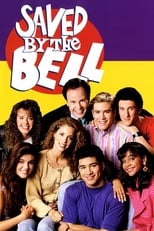 Saved by the Bell1989 · ★ 7.84 seasons · 86 episodes
11:00
Classic comedy
Full slot (34) Fawlty Towers1975 · ★ 8.32 seasons · 12 episodes
 Cheers1982 · ★ 7.611 seasons · 269 episodes
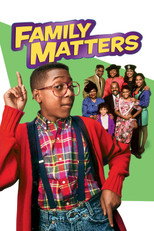 Family Matters1989 · ★ 6.89 seasons · 215 episodes
 Only Fools and Horses1981 · ★ 8.17 seasons · 45 episodes
 Who's the Boss?1984 · ★ 7.48 seasons · 196 episodes
 Gilligan's Island1964 · ★ 7.43 seasons · 98 episodes
 I Love Lucy1951 · ★ 7.96 seasons · 180 episodes
 Taxi1978 · ★ 7.35 seasons · 114 episodes
16:00
After school
Full slot (38) Drake & Josh2004 · ★ 8.44 seasons · 57 episodes
 H2O: Just Add Water2006 · ★ 7.83 seasons · 78 episodes
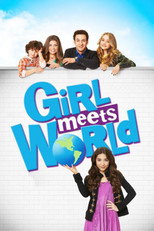 Girl Meets World2014 · ★ 8.33 seasons · 71 episodes
 The Suite Life of Zack & Cody2005 · ★ 7.63 seasons · 87 episodes
 Mako: Island of Secrets2013 · ★ 7.63 seasons · 68 episodes
 Boy Meets World1993 · ★ 8.37 seasons · 158 episodes
 The Baby-Sitters Club2020 · ★ 7.92 seasons · 18 episodes
 Good Luck Charlie2010 · ★ 7.94 seasons · 99 episodes
19:00
Prime-time comedy
Full slot (74) The Big Bang Theory2007 · ★ 7.912 seasons · 279 episodes
 Friends1994 · ★ 8.410 seasons · 228 episodes
 How I Met Your Mother2005 · ★ 8.19 seasons · 208 episodes
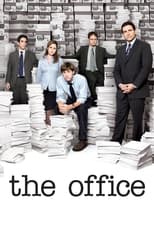 The Office2005 · ★ 8.69 seasons · 186 episodes
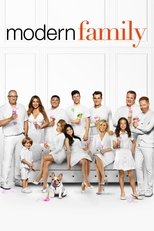 Modern Family2009 · ★ 7.911 seasons · 250 episodes
 Community2009 · ★ 8.06 seasons · 110 episodes
 The Good Place2016 · ★ 8.04 seasons · 50 episodes
 The IT Crowd2006 · ★ 8.24 seasons · 24 episodes
 Mr. Bean1990 · ★ 8.01 seasons · 14 episodes
21:00
The drama hour
Full slot (72) The Good Doctor2017 · ★ 8.57 seasons · 126 episodes
 That '70s Show1998 · ★ 7.98 seasons · 200 episodes
 Gilmore Girls2000 · ★ 7.97 seasons · 153 episodes
 Downton Abbey2010 · ★ 8.16 seasons · 47 episodes
 Merlin2008 · ★ 7.85 seasons · 65 episodes
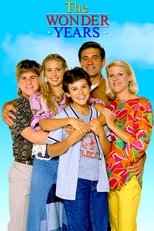 The Wonder Years1988 · ★ 8.36 seasons · 115 episodes
 Little House on the Prairie1974 · ★ 8.09 seasons · 200 episodes
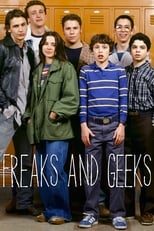 Freaks and Geeks1999 · ★ 8.21 seasons · 18 episodes
23:00
Late adventures
Full slot (21)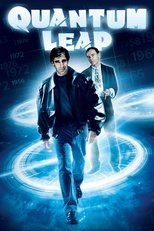 Quantum Leap1989 · ★ 8.05 seasons · 96 episodes
 Warehouse 132009 · ★ 7.75 seasons · 64 episodes
 Eureka2006 · ★ 7.75 seasons · 77 episodes
 The Librarians2014 · ★ 7.24 seasons · 42 episodes
 Amazing Stories2020 · ★ 7.31 seasons · 5 episodes
 Kyle XY2006 · ★ 7.03 seasons · 43 episodes
 Away2020 · ★ 6.51 seasons · 10 episodes
 That's So Raven2003 · ★ 7.24 seasons · 100 episodes
SUN
Sunday classics
Full slot (34) Man vs Bee2022 · ★ 7.11 seasons · 9 episodes
 Pride and Prejudice1995 · ★ 8.21 seasons · 6 episodes
 Derry Girls2018 · ★ 8.13 seasons · 19 episodes
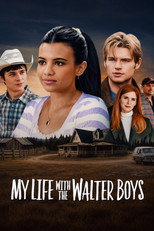 My Life with the Walter Boys2023 · ★ 7.83 seasons · 30 episodes
 Victoria2016 · ★ 7.43 seasons · 24 episodes
 The Gilded Age2022 · ★ 7.74 seasons · 33 episodes
 Man vs Baby2025 · ★ 6.81 seasons · 4 episodes
 Free Rein2017 · ★ 7.93 seasons · 30 episodes
★
Top rated
Full slot (33) The West Wing1999 · ★ 8.37 seasons · 154 episodes
 Liv and Maddie2013 · ★ 8.04 seasons · 80 episodes
 Friday Night Lights2006 · ★ 8.05 seasons · 76 episodes
 Andi Mack2017 · ★ 8.03 seasons · 57 episodes
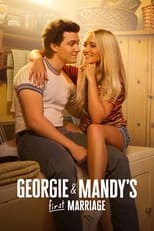 Georgie & Mandy's First Marriage2024 · ★ 8.03 seasons · 45 episodes
 Scrubs2001 · ★ 8.29 seasons · 181 episodes
 North & South2004 · ★ 8.11 seasons · 4 episodes
 Detectorists2014 · ★ 8.23 seasons · 18 episodes
The Ch131 viewer's guide
Ch131: the TV series guide of Channel 131, from Friends, The Office and The Big Bang Theory to Downton Abbey, The Good Doctor and Gilmore Girls
Imagine a television channel that only ever showed the good things. Cartoons and family favourites with the cereal, a classic comedy mid-morning, something from the school corridors at four o'clock, the big comedies at seven, a proper drama at nine and a costume serial on Sunday evening. Channel 131 is that channel, and Ch131 is its programme guide. It lists 172 television series first broadcast between 1951 and 2025, 811 seasons and 15,835 episodes in all, and sets them out as a day's schedule. Every series has a page with its cast, its summary, its rating, every episode by season, and a button that leads to the official services where it can be watched.
The schedule is generous to comedy. One hundred and thirty-six of the series are comedies of one kind or another, seventy-two are dramas, sixty-two are family programmes, and twenty-one add time machines, secret warehouses or a touch of magic. All were chosen by hand for a household where several generations share one screen, so a grandparent, a parent and a ten-year-old can each find something familiar here and something new.
This guide follows the day from breakfast to midnight, then looks at Sunday, at the decades, at the people who made these programmes, and at how to choose a series by its length. Questions and answers close the page. If you are new, the short page called how to watch with Ch131 will have you watching in four steps.
How the guide works
The screen is designed to look like the programme guide of a television set. The background is deep navy. At the top left sits the channel badge, a yellow CH beside the number 131, and next to it a search field. A row of tabs runs beneath: All series, Prime time, Drama hour, Classics, After school, Sunday, Top rated, the A-Z index and My List. The tab you are on turns yellow.
The home page is the schedule itself. Each part of the day is a horizontal band. On the left, a darker panel shows the time in large yellow figures, 07:00, 11:00, 16:00, 19:00, 21:00, 23:00, with the name of the slot and a link to its full listing. To the right, a row of programme blocks slides sideways under the finger or the pointer. Each block carries a small poster, the title, the year the series began with its rating, and the number of seasons and episodes. A series appears once on the home page, so the eight bands together show more than sixty different programmes; the full slots behind the links list everything.
The times are a way of sorting, in the spirit of a channel schedule; every series is available whenever you wish to watch it. Open any block and the series has a page of its own, with the title, the years it ran, the count of seasons and episodes, the rating out of ten and a summary. The leading cast follows, each name a link to that performer's other series in the guide. Below, each season opens into its episodes with titles and original air dates, so you can find the Thanksgiving episodes of Friends or the first appearance of a favourite character in a moment.
The Watch now button stands beside a menu of fifteen countries. Choose yours, press, and JustWatch opens with the subscription, rental, purchase and free services that carry the series there. Ch131 is the guide in your hand; the services are the broadcasters. The search field accepts titles, people and years, and it understands a title followed by a season and an episode number. The page on finding a series lists every route, and the My List page explains the personal line-up kept in your own browser.
07:00, breakfast shows
The day on Channel 131 begins with sixty-two family series, the largest slot after comedy. Some of them are older than the parents who will switch them on. Lassie first aired in 1954 and ran for nineteen seasons and 591 episodes, far more than any other series in the guide; the brave collie changed owners several times and still came home in every one. Flipper did for a dolphin in the Florida Keys what Lassie did for a dog on a farm, and Mister Ed gave a horse the gift of speech and a dry sense of humour. Leave It to Beaver, begun in 1957, saw the world through the eyes of a small boy with a talent for well-meant trouble.
Large and blended households are a tradition of the slot. Step by Step joins two single parents and their six children under one roof. Family Matters began as the story of a Chicago policeman and his family and was cheerfully taken over by the boy next door, Steve Urkel. Fuller House brought the children of a famous eighties household back as parents themselves. Good Luck Charlie is told through the video diary a teenager records for her baby sister, and The Middle follows the Heck family of Indiana through nine seasons of school runs, broken dishwashers and small triumphs.
Newer family series are often small adventures. The Mysterious Benedict Society gathers four gifted orphans for a secret mission. Free Rein sends an American girl to an English island where she bonds with a horse that will let only her near. Holly Hobbie follows a thirteen-year-old singer in a small farming town and holds a rating of 8.4. Big Shot puts a famous basketball coach in charge of a girls' school team, and The Mighty Ducks: Game Changers revives a well-loved team of underdogs on the ice. The breakfast guide sorts the slot by age.
11:00, classic comedy
Mid-morning belongs to the comedies that invented the form. Thirty-four series in the guide were first shown before 1990, and the oldest of them is still among the funniest. I Love Lucy began in 1951. Lucille Ball played a housewife determined to get into show business against the wishes of her bandleader husband, played by her real husband Desi Arnaz, and the series was filmed before a live audience with three cameras running at once, a method that became the standard for studio comedy for half a century. Its 180 episodes include some of the best-known scenes in television, among them a shift on a chocolate factory conveyor belt that goes gloriously wrong.
The Honeymooners followed in 1955 with Jackie Gleason as a New York bus driver full of schemes. The Dick Van Dyke Show, created by Carl Reiner, took viewers behind the scenes of a television comedy and introduced Mary Tyler Moore, who then led The Mary Tyler Moore Show in 1970 as a single woman making her career in a Minneapolis newsroom. That series changed what a sitcom could be about, and its workplace family became the model for many that followed, including Taxi, set in a New York cab garage, and The Bob Newhart Show.
The sixties loved a fantastic premise. I Dream of Jeannie gave an astronaut a two-thousand-year-old genie, Gilligan's Island stranded seven day-trippers for three seasons, The Beverly Hillbillies moved a mountain family into a mansion for 274 episodes, and Green Acres sent a New York lawyer the other way, to a farm. The Monkees invented a pop group for television and found the songs became real hits.
From the eighties come Cheers, set in the Boston bar where everybody knows your name, with Ted Danson as its owner across eleven seasons; Newhart, whose final scene is one of the most celebrated in comedy; Night Court; Who's the Boss?; Growing Pains; and The Wonder Years, in which a grown man narrates his own adolescence in the late 1960s with humour and an ache of memory. It holds a rating of 8.3. The classic comedy guide arranges the slot by decade.
16:00, after school
At four o'clock the schedule turns to thirty-eight series about growing up. For viewers who were at school in the nineties, three titles lead. Saved by the Bell made a Californian high school, its charming schemer Zack and its long-suffering headmaster into a Saturday institution. The Fresh Prince of Bel-Air sent a quick-witted teenager from Philadelphia to live with wealthy relatives in Los Angeles; Will Smith was a rapper with little acting experience when it began, and a star when its 148 episodes ended. Boy Meets World followed Cory Matthews, his best friend, his first love and his neighbour and teacher Mr Feeny from the age of eleven to married life, and its sequel Girl Meets World continues the story with Cory's daughter. Both hold a rating of 8.3.
The following decade produced a wave of bright studio comedies made for younger viewers, and the guide has the best of them. Drake & Josh, about two very different stepbrothers, is rated 8.4. iCarly imagined three friends running their own internet show from an attic. Victorious is set in a performing arts school, Hannah Montana gave a schoolgirl a secret life as a pop star, and The Suite Life of Zack & Cody let twin boys loose in a grand hotel. Lizzie McGuire, That's So Raven, Liv and Maddie, Austin & Ally and Good Luck Charlie belong to the same family.
Some series treat the teenage years with more depth. Freaks and Geeks lasted a single season of eighteen episodes in 1999, yet its portrait of two groups of friends at a Michigan high school in 1980 is so truthful and so funny that it is now regarded as one of the best series ever made; several of its young cast became major stars. Gilmore Girls is as much about a daughter's school years as her mother's life. Andi Mack handles family surprises with real tenderness, The Baby-Sitters Club updates a much-loved set of books, and High School Musical: The Musical: The Series follows the students of the school where a famous film was shot as they stage it themselves. The after-school guide lists the slot by era.
19:00, prime-time comedy
Seven o'clock is the heart of the schedule: seventy-four comedies from 1990 to the present, among them the most watched programmes of their time. Friends arrived in 1994. Six people in their twenties share two apartments and a coffee house sofa in New York, and across ten seasons and well over two hundred episodes they change jobs, fall in and out of love and become one another's family. It is rated 8.4 and remains the series most likely to be playing somewhere in the house.
The Office has the highest rating in the guide at 8.6. Filmed as if by a documentary crew, it records daily life at the Scranton branch of a paper company under a manager who wants above all to be liked. Steve Carell leads a deep ensemble, and beneath the awkward comedy the series grows into a warm study of ordinary people at work. The Big Bang Theory, with 279 episodes, follows four scientists in Pasadena and the neighbour who widens their world; How I Met Your Mother has a father telling his children a very long story; and Modern Family interviews three linked households across eleven seasons.
The slot is rich in families. Home Improvement made a star of Tim Allen as the accident-prone host of a tool show. The Nanny put Fran Drescher's voice and wardrobe into a stately Manhattan town house. Everybody Loves Raymond lives across the street from the in-laws, That '70s Show spends eight seasons in a Wisconsin basement, The Goldbergs remembers the eighties through a boy's video camera, and black-ish and Fresh Off the Boat bring new households to the tradition. Dinosaurs, made with elaborate puppets, is a family sitcom set sixty million years ago.
A more recent strain of comedy is gentler and more thoughtful. The Good Place begins when a woman wakes in a heavenly neighbourhood that she suspects was meant for someone else, and across fifty episodes turns into a funny, generous inquiry into what it means to be good; Ted Danson plays the architect of the place. Schitt's Creek strands a formerly wealthy family in a small town they once bought as a joke, and watches them slowly become better people. Community is set in a study group at a community college and delights in playing with every kind of film and television story. Superstore, Life in Pieces, Trying and Acapulco continue the line. The prime-time guide divides the slot into friends, families and thinkers.
The workplace on screen
A shelf of nineteen series cuts across the comedy slots: those set where people earn their living. Besides The Office, it includes The IT Crowd, a British comedy about the two technicians and their manager in the basement of a London corporation, rated 8.2; Better Off Ted, a sharp satire of a research company; and Superstore, six seasons on the floor of a giant discount shop. Scrubs follows young doctors through their first years at a teaching hospital and mixes daydream comedy with real feeling. Wings is set at a small airport on Nantucket, Open All Hours behind the counter of a corner shop in the north of England, and Fawlty Towers in the least welcoming hotel on the English coast. The workplace guide has the full list.
The family sitcom, from one decade to the next
Running through the comedy slots is the oldest idea in television: a household, a sofa and a problem that will be solved in twenty-two minutes. The guide lets you follow it through seventy years. In the eighties the households were often unconventional. Who's the Boss? reversed the usual arrangement by making a former baseball player the housekeeper for a high-flying advertising executive. Small Wonder hid a robot built to look like a ten-year-old girl in a suburban home, Perfect Strangers moved a wide-eyed cousin from a Mediterranean island into a Chicago apartment, and Charles in Charge gave the babysitting to a college student. Coach stayed with a university football coach for nine seasons.
The nineties and two-thousands refined the pattern. Mad About You followed a newly married couple in New York through the small negotiations of life together. Reba starred the country singer Reba McEntire as a Texan mother holding a complicated family together with wit, and According to Jim, Still Standing and 8 Simple Rules each found their comedy in parents outsmarted by their own children. Ugly Betty took the family comedy to work, following a kind-hearted young woman from Queens into the offices of a glossy fashion magazine.
The form is alive and well in the newest part of the schedule. Last Man Standing surrounds a father with a wife and three daughters. Man with a Plan sends a building contractor home to look after the children, American Housewife and Suburgatory smile at life in prosperous suburbs, and The Neighborhood begins when a friendly family from the Midwest moves in next door to a Los Angeles household that likes things as they are. Single Parents forms a family out of friends, Family Reunion moves a Seattle family to Georgia to live near their grandparents, and Mr. Iglesias stars a comedian as a history teacher at the school he once attended. Young Rock has a famous actor look back on his own childhood among professional wrestlers, with three young performers playing him at different ages.
Series with a song in them
Music is a thread worth pulling. The Monkees began it in 1966 with a made-for-television band whose records then topped the real charts. Forty years on, the after-school slot filled with young performers: Hannah Montana with her double life, Victorious at its performing arts school, Austin & Ally with a singer and the shy songwriter behind his hits, and School of Rock, which turns a class of gifted pupils into a band. Bella and the Bulldogs and Liv and Maddie add school teams and twin sisters to the mix.
Three recent series use songs in inventive ways. In Zoey's Extraordinary Playlist, a computer programmer in San Francisco suddenly begins to hear the private feelings of the people around her as full musical numbers, which is both a comic gift and a moving way to tell a story about a family. Schmigadoon! traps a modern couple on a hiking trip inside a town where everyone behaves as though they were in a stage musical of the 1940s. High School Musical: The Musical: The Series wraps a school production inside a mock documentary, and Country Comfort sends an aspiring country singer to work as a nanny for a widowed rancher and his five musical children.
Around the English-speaking world
Most of the schedule was made in the United States, but a good quarter comes from elsewhere, and the variety of voices is part of its charm. Britain supplies the whole of the Sunday slot and more. Ireland contributes Derry Girls and Moone Boy, in which a twelve-year-old in a small western town in 1989 is accompanied everywhere by an imaginary friend played by Chris O'Dowd, who also wrote the series from his own memories. Trying, set in north London, follows a couple through the hopeful, comic and tender process of adopting a child.
Australia sends its mermaids and the cattle station of McLeod's Daughters. Canada is the home of Schitt's Creek, created by the father and son Eugene and Dan Levy, of the frontier town in When Calls the Heart and of Holly Hobbie. Acapulco, told partly in Spanish, looks back to 1984 and a young man's first job at the grandest resort in a Mexican seaside city, and Doogie Kamealoha, M.D. moves the story of a teenage doctor to Hawaii, where her family, her patients and the surf compete for her attention.
From the bookshelf and back again
A surprising number of series began as books, and families who read together may like to pair the two. Little House on the Prairie and All Creatures Great & Small come from much-loved memoirs. Jeeves and Wooster brings the comic novels of P. G. Wodehouse to the screen with a perfectly matched pair of actors. Among newer titles, The Baby-Sitters Club, The Mysterious Benedict Society, Geek Girl, Dash & Lily and My Life with the Walter Boys are all drawn from popular fiction for young readers, and Sweet Magnolias and Chesapeake Shores from long-running series of novels about friendship and family.
Television also loves to return to its own past. Fuller House, Girl Meets World and Raven's Home each revisit the heroes of an earlier series as adults with children of their own. The Santa Clauses and The Mighty Ducks: Game Changers continue stories that began in the cinema. The Odd Couple of 2015 is a fresh version of a classic pairing, and Georgie & Mandy's First Marriage carries on the family saga that started with The Big Bang Theory. Watching an original and its successor side by side is a pleasant way to see how styles of comedy have changed while the feelings stay the same.
Camps, clubs and clever inventions
The four o'clock slot has a lively second tier of series made for viewers between eight and fourteen, and they share a taste for unusual set-ups. BUNK'D: Learning the Ropes takes three city siblings to a rustic summer camp in Maine and stays there for seven seasons. A.N.T. Farm places a group of exceptionally gifted eleven-year-olds in a high school among students five years older. Stuck in the Middle is narrated by the inventive middle child of seven, Dog with a Blog gives the family pet a keyboard and opinions, and Zeke and Luther follows two friends determined to become champion skateboarders.
Technology and enterprise supply more ideas. In Game Shakers, two twelve-year-olds in Brooklyn build a hit mobile game for a school project and find themselves running a company. Bizaardvark is about two friends who write comic songs for their online channel, and Best Friends Whenever gives a pair of teenagers the power to jump through time after an accident in a neighbour's laboratory. Melissa & Joey turns to an older audience with a local politician who hires a former financier as nanny to her niece and nephew.
Doctors, teachers and other good influences
Television has always admired people who are good at caring for others, and the guide has a full staff of them. The doctors range from the teenage prodigy of Doogie Howser, M.D., who typed his thoughts into a computer diary at the end of each episode, to the daydreaming interns of Scrubs and the gifted surgeon of The Good Doctor. Country practices feature in Hart of Dixie and Northern Exposure, and the vets of the Yorkshire Dales treat cattle, sheepdogs and one very pampered Pekingese.
The teachers are just as memorable. Welcome Back, Kotter returned a former pupil to his old Brooklyn school to teach a class of lovable rascals, among them a young John Travolta. Mr Feeny of Boy Meets World teaches Cory at every stage from primary school to university, and his final lesson is one of the most quoted scenes of its decade. The Facts of Life is set in a girls' boarding school under a wise housemother, and Big Shot shows a hard-driving coach learning patience from his players. These are series that leave a household a little kinder than they found it.
Holiday episodes and special occasions
One pleasure of a long-running series is its calendar. Because seasons once ran from autumn to spring, almost every classic comedy has a Halloween episode, a Thanksgiving episode and a Christmas episode each year, and the episode lists on Ch131 make them easy to find by their air dates. The Thanksgiving episodes of Friends are a tradition in themselves. The Office is famous for its seasonal parties, Modern Family for its Halloween chaos, and Home Improvement for a street-wide contest of Christmas lights.
British series handle the season differently, with a single feature-length special. Downton Abbey ended each year with one, and the Christmas specials of Only Fools and Horses drew some of the largest audiences in the history of British television. For a complete seasonal story, Dash & Lily follows two teenagers who trade dares in a red notebook hidden in a New York bookshop during the last weeks of December, and The Santa Clauses asks who should take over the sleigh when its driver wishes to retire.
Why a schedule still helps
With thousands of programmes a click away, choosing has become the hard part of watching television. A schedule is an old answer to that modern problem. It narrows the field to what suits the hour and the company: something bright for a school morning, something the whole table can agree on at seven, something to settle into once the house is quiet. The slots on Ch131 are built on that principle, and many households find it easier to say yes to the nine o'clock drama than to scroll through an endless wall of posters.
A schedule also restores a little ceremony. Watching The Wonder Years on the same evening each week, or saving Cranford for Sundays, gives a series room to be talked about between episodes, which is how most of these programmes were first enjoyed. And for those who prefer to race ahead, the full episode lists are always there: every one of the 15,835 episodes in the guide is named, dated and a single search away.
The idea suits families especially well. Children like to know what comes next, and a regular slot for Good Luck Charlie or The Suite Life of Zack & Cody soon becomes a small tradition of its own, something to look forward to after homework.
21:00, the drama hour
At nine the tone changes. Seventy-two series carry the Drama label, and the most popular programme in the whole guide leads them. The Good Doctor follows Shaun Murphy, a young surgeon with autism and an extraordinary visual memory, as he joins the surgical team of a California hospital. Freddie Highmore plays him across seven seasons and 126 episodes. Each episode has its medical puzzles, but the heart of the series is a workplace learning to value a colleague who sees the world differently. It is rated 8.5.
The West Wing is the grand drama of the schedule. Aaron Sorkin's series walks, quite literally, through the corridors of the White House with the staff of a fictional president, played by Martin Sheen, and makes the business of government exciting through sheer speed of talk. Its 154 episodes are rated 8.3. Friday Night Lights is set in a Texas town where the high school football team carries everyone's hopes; its portrait of a coach, his wife and their marriage is among the finest on television.
Small towns are the favourite setting of the hour. Gilmore Girls takes place in Stars Hollow, Connecticut, where a mother and daughter close in age talk faster than anyone on television and drink a great deal of coffee. Hart of Dixie sends a New York doctor to a practice in Alabama. Sweet Magnolias and Chesapeake Shores follow friends and families in coastal communities, Northern Exposure strands another New York doctor in a tiny Alaskan town full of philosophers, and McLeod's Daughters spends eight seasons on a cattle station in South Australia run by women.
The countryside of the past has three long-running favourites. Little House on the Prairie, from the books of Laura Ingalls Wilder, follows a pioneer family in Minnesota through two hundred episodes. When Calls the Heart takes a young teacher from the city to a mining town in the Canadian west and has run for thirteen seasons. All Creatures Great & Small, the newest of the three, adapts the memoirs of a vet in the Yorkshire Dales of the 1930s with great warmth and is rated 8.2.
Shorter dramas complete the hour. From the Earth to the Moon tells the story of the Apollo programme in twelve parts, each in a different style. Julia follows the cook Julia Child as she invents the television cookery show in 1960s Boston. Away sends an astronaut on a three-year mission to Mars while her family waits at home, and Spinning Out is set in the world of competitive figure skating. The drama guide groups the hour by setting.
23:00, late adventures
The last slot of the weekday holds twenty-one series with a fantastic turn. Time travel is the oldest theme. The Time Tunnel, from 1966, hurls two scientists from one famous moment of history to another. Voyagers! pairs a traveller from the future with a twelve-year-old who knows his history books. Quantum Leap is the best loved: a physicist finds himself leaping into the lives of strangers in the recent past, with only a hologram of his friend for guidance, and in each episode must put right something that once went wrong. Scott Bakula and Dean Stockwell made it one of the most humane adventure series ever broadcast.
Two companion series from the same years share a sense of fun. Eureka is set in a town in the Pacific Northwest where every resident is a genius and the sheriff is the only ordinary man. Warehouse 13 follows two agents who collect objects with strange powers and store them in a vast depot in South Dakota. The Librarians guard a similar collection beneath a great library, and Merlin, made in Britain, retells the legend of Camelot with the wizard and the future king as young men who have yet to learn how much they need each other.
Lighter fantasies include H2O: Just Add Water and Mako: Island of Secrets, two Australian series about teenagers who become mermaids, Kyle XY, Amazing Stories and Lost in Austen, in which a modern Londoner steps through a door in her bathroom into the pages of her favourite novel. The late adventures guide separates the time machines from the magic.
Sunday classics
Sunday evening on Channel 131 is reserved for costume and for British favourites, thirty-four series in all. Downton Abbey is the centrepiece. Julian Fellowes's saga follows the Crawley family and their servants in a Yorkshire country house from 1912 into the 1920s, through six series of inheritance, romance and social change. Maggie Smith's dowager countess has the best lines. Fellowes later crossed the Atlantic for The Gilded Age, set among the old and new fortunes of New York in the 1880s.
The great novels are well served. Pride and Prejudice, the 1995 adaptation in six episodes with Jennifer Ehle and Colin Firth, is still the version by which all others are judged and holds a rating of 8.2. The screenwriter Andrew Davies also adapted Bleak House, told at the pace of a thriller in fifteen half-hours, and Sanditon, from Jane Austen's unfinished last novel. North & South, in four episodes, sets a love story against the cotton mills of the industrial north, and Jane Eyre, Cranford, Vanity Fair and David Copperfield complete a handsome shelf. Victoria dramatises the first years of a young queen's reign, and The Paradise is set in the first department store in an English city.
British comedy shares the evening. Fawlty Towers ran for only twelve episodes and is rated 8.3. Only Fools and Horses follows two brothers trading from a three-wheeled van in south London and is a national treasure. Keeping Up Appearances stars Patricia Routledge as a suburban social climber, Jeeves and Wooster pairs Stephen Fry and Hugh Laurie, and Mr. Bean needs hardly a word. More recent arrivals are Miranda, Outnumbered, whose child actors were encouraged to improvise, Derry Girls, set among schoolfriends in Northern Ireland in the 1990s, and Detectorists, a quietly perfect comedy about two friends with metal detectors in the fields of Essex. The Sunday guide has them all.
Seven decades of television
The guide covers seventy-four years, and the listing by date tells the story of the medium. Thirty-nine series were first shown before 1990. In those years a successful programme was made in great quantity, often more than thirty episodes a season, and was watched by tens of millions on the evening it aired. That is why the classics have such long runs: Leave It to Beaver with 234 episodes, The Jeffersons with 248, Little House on the Prairie with 200.
Fifty-six series date from the 1990s and the 2000s, the high summer of the network sitcom, when Friends, Everybody Loves Raymond, Scrubs and How I Met Your Mother each ran for nine or ten seasons, and when cable channels for younger viewers began making comedies of their own. Seventy-seven series come from 2010 onward. Seasons became shorter with the arrival of streaming, eight or ten episodes instead of twenty-four, and stories became more continuous; Trying, Dash & Lily, Geek Girl and My Life with the Walter Boys are typical of the new shape. The most recent series in the guide, Man vs Baby, dates from 2025. The decade guide links to each period.
Long runs and short runs
The number of episodes is one of the most useful facts on a series page, because it tells you what kind of commitment you are making. The guide holds every size. At one end are the miniatures: David Copperfield in two feature-length parts, North & South, Jane Eyre and Lost in Austen in four episodes each, and Pride and Prejudice in six. Man vs Bee, in which Rowan Atkinson's house-sitter wages war on a single insect, tells its whole story in nine episodes of about ten minutes.
In the middle are series you can finish in a month of evenings: Fawlty Towers with twelve episodes, Freaks and Geeks with eighteen, Derry Girls with nineteen, Detectorists with eighteen and The Good Place with fifty. At the far end are the companions for a year or more. The Big Bang Theory, The Beverly Hillbillies, Cheers and Modern Family each pass 250 episodes, and a viewer who watched one episode of Lassie every day would need nineteen months to reach the end. The guide to long and short runs suggests a few of each.
Familiar faces and the people behind them
Watch enough of the schedule and the same faces return in new roles. Rowan Atkinson appears three times, as Mr. Bean and in his two recent comedies. Tim Allen also has three: the tool-show host of Home Improvement, the outdoor-shop executive of Last Man Standing and a reluctant Father Christmas in The Santa Clauses. Ted Danson is the barman of Cheers and, thirty-four years later, the architect of The Good Place. Neil Patrick Harris grows from the teenage physician of Doogie Howser, M.D. into the suited charmer of How I Met Your Mother, and Patricia Heaton raises two different television families in Everybody Loves Raymond and The Middle.
The creators have signatures of their own. Michael Jacobs is credited on four series, among them Boy Meets World, its sequel and Dinosaurs. Chuck Lorre is behind The Big Bang Theory and Georgie & Mandy's First Marriage, which is rated 8.0. Julian Fellowes wrote both of the great-house sagas, Andrew Davies three of the literary adaptations, and Michael Schur, who worked on The Office, created The Good Place. Every name on a series page is a link, and the guide to familiar faces offers a starting point for the most frequent.
The top rated slot
Thirty-three series hold a rating of 8.0 or higher from at least a hundred voters. The Office leads at 8.6, followed by The Good Doctor at 8.5, and Friends and Drake & Josh at 8.4. Six series share 8.3: The Wonder Years, Fawlty Towers, Girl Meets World, The West Wing, Boy Meets World and When Calls the Heart.
At 8.2 stand Victorious, Freaks and Geeks, All Creatures Great & Small, Pride and Prejudice, Scrubs, Detectorists and The IT Crowd, and at 8.1 North & South, How I Met Your Mother, Downton Abbey, Derry Girls, Only Fools and Horses, From the Earth to the Moon, Jeeves and Wooster and The Nanny. It is a pleasingly mixed company, American and British, old and new, twelve episodes long and two hundred. A rating is an average of many tastes, and the summary on each page is the better guide to whether a series is for you. The top rated guide has the whole slot.
Planning a week on Channel 131
The schedule is meant to be used, and a week planned from it has a pleasant rhythm. On weekday evenings, take two episodes from the seven o'clock slot, a classic and a modern comedy side by side: Cheers with Superstore, perhaps, or The Mary Tyler Moore Show with The Office, to see how the workplace comedy grew. On Wednesday, give the nine o'clock hour to The West Wing or Friday Night Lights. On Friday, let the youngest member of the household choose from the four o'clock slot, and on Saturday morning put on Lassie or Flipper exactly as it would have been watched sixty years ago.
Keep Sunday for a serial. A six-part adaptation such as Pride and Prejudice lasts six weeks at one episode a time, which is how it was first shown, and the wait between instalments is part of the pleasure. When it ends, move on to Bleak House or Cranford. My List holds the plan: add each series as you decide on it, and remove it when the final episode is done.
A series page in detail
Take Gilmore Girls as an example. The page shows the poster of a mother and daughter on a town square, the year 2000, seven seasons, 153 episodes and a rating of 7.9. The summary explains that Lorelai Gilmore, who left a wealthy home at sixteen to raise her daughter Rory on her own, now runs an inn in a small Connecticut town, and that the two are best friends as much as parent and child. Lauren Graham and Alexis Bledel head the cast list; pressing Graham's name brings up her other series in the guide. Below, each of the seven seasons opens into its episodes with titles and air dates. Set the country menu, press the yellow Watch now button, and the services carrying the series where you live are listed with their prices.
Questions and answers
Questions
What is Ch131?
Ch131 is a programme guide to 172 television series with 811 seasons and 15,835 episodes, set out like the schedule of a channel. Each series has a page with its cast, summary, rating and full episode list, and a Watch now button that opens the official services carrying it in your country.
Do the times on the schedule matter?
The times are a way of sorting the series into slots, such as breakfast shows at 07:00 and prime-time comedy at 19:00. Every series can be watched at any hour through the services listed.
How do I watch a series?
Tune in by opening the page of a series, setting the country menu to where you live and pressing the yellow Watch now button. JustWatch replies with every subscription, rental, purchase and free service showing that series in your country.
Which series are rated highest?
The Office leads at 8.6, followed by The Good Doctor at 8.5, and Friends and Drake and Josh at 8.4. The Top rated slot lists thirty-three series at 8.0 or higher.
Which series is the longest?
Lassie, with nineteen seasons and 591 episodes. The Big Bang Theory follows with 279 episodes and The Beverly Hillbillies with 274.
Is there something short to watch?
Yes. North and South, Jane Eyre and Lost in Austen have four episodes each, Pride and Prejudice has six, and Man vs Bee tells its story in nine short episodes.
Are the series suitable for families?
The guide was chosen by hand for a household audience. Sixty-two series sit in the breakfast slot for all ages, and each page carries a summary so that parents can judge a series for themselves.
Can I find a single episode?
Yes. Every series page lists its episodes by season with titles and air dates, and the search field accepts a title followed by a season and episode number.
What is My List?
My List is the line-up of series you mean to watch. It is saved by your browser on the device you are using, it updates with each press of the list button, and its page can store a copy in a file.
Where does the information come from?
Posters, ratings, casts, episode lists and production details come from TMDB. The guide on this page and the fifteen help pages are written by the Ch131 editorial team.
